
NGO Security, Risk & Crisis Management Training.

Real incidents.
Real decisions.
Real consequences.
For organisations operating where leadership judgement matters as much as policy.
A practitioner-led 5-day programme for NGO managers, security focal points, operations leaders, and decision-makers working in complex or high-risk environments.
Build stronger judgement, clearer decision-making, and stronger organisational resilience.
Training alone does not reduce risk.
How individuals and organisations interpret, prioritise, and act on information is what often determines outcomes.
Policies matter. But policy alone does not make sound decisions under pressure.
Bespoke or organisational delivery is available on request.
Want to know whether SRCM is right for you, your team or your organisation?
Beyond Awareness. Building Organisational Capability
Many organisations invest in Hostile Environment Awareness Training (HEAT) to prepare individuals for deployment.
Far fewer invest in the capability required to make sound organisational decisions once operations begin.
The gap is rarely awareness.
The gap is judgement, coordination, accountability, and leadership under pressure.
SRCM helps bridge that gap by strengthening day-to-day decision-making, improving risk ownership, and developing more effective crisis leadership.
For organisations operating in complex environments, that capability matters.
Governance, Accountability & Institutional Judgement
Many organisations possess policies. Far fewer possess the confidence and capability to apply them under pressure.
This programme strengthens institutional judgement, helping ensure decisions taken in the field remain proportionate, accountable, and defensible under board, donor, regulatory, or legal scrutiny.
Crisis Management Training for NGOs and Organisations
Crisis management within SRCM focuses on how organisations prepare for, respond to, and recover from serious incidents that threaten people, operations, and organisational credibility.
Participants examine how crises develop, how incidents escalate, and how leadership decisions are made when information is incomplete and time is limited.
Through realistic scenario-based exercises, participants build confidence in coordination, communication, prioritisation, and decision-making under pressure.
Training covers incidents including serious injury or death, detention, safeguarding concerns, reputational risk, and operational disruption.
The result is stronger crisis leadership, clearer decisions, and greater organisational resilience when it matters most.
Experience That Matters
Peritus Global Training courses are designed and delivered by practitioners with recent frontline experience across some of the world’s most complex operating environments, including Iraq, Afghanistan, Ukraine, Gaza, Syria, and sub-Saharan Africa.
Our instructors have held senior roles including Global Head of Safety & Security, Regional Security Manager, Country Security Manager, and Crisis Lead.
They understand not only risk — but responsibility.
Training is delivered in a calm, professional, and non-ego-driven manner, with emphasis on judgement, proportionate response, and accountable decision-making.
We avoid outdated or theatrical scenarios and focus instead on realistic exercises that support safer, more effective operations.
Choose training that genuinely prepares you
-
Training grounded in real operational experience
-
Instructors who understand duty of care from both field and leadership perspectives
-
Focus on capability, judgement, and accountability — not checkbox compliance
Security, Risk Management & Crisis Management Training - 5 Day programme.
This programme prepares NGO managers, security focal points, programme leaders, and operational staff to lead responsibly in complex and high-risk environments.
It covers deployment to challenging locations, managing security risks, and responding effectively to critical incidents.
Participants develop stronger judgement, clearer decision-making, and the ability to operate with confidence, clarity, and accountability under pressure.
Participants learn how to:
-
Identify threats and vulnerabilities at an early stage
-
Conduct dynamic and context-specific risk assessments
-
Make informed, responsible decisions under pressure
This training directly supports organisational duty-of-care obligations, while empowering staff to protect themselves, their colleagues, and the mission.
This course provides a comprehensive foundation in Security and Risk Management, specifically tailored to the operational realities of the NGO and humanitarian sector.

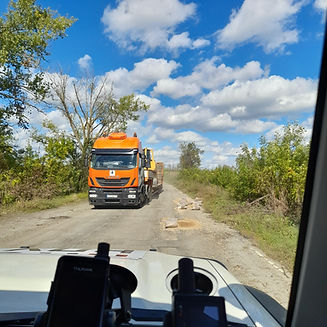

Building Organisational Capability
The Security, Risk & Crisis Management (SRCM) course focuses on strengthening organisational security culture, leadership decision-making, risk ownership, and crisis management capability.
It builds upon the individual awareness and personal preparedness typically developed through Hostile Environment Awareness Training (HEAT), shifting the focus from individual safety to organisational responsibility, leadership judgement, and coordinated response.
This enables organisations to manage complex security challenges more effectively and consistently, while meeting duty-of-care obligations and maintaining operational continuity in high-risk environments. The course does not promote a single risk model, but equips leaders to make informed, defensible decisions that align with their organisation’s approved risk appetite and operating mandate.
It is designed for
-
Programme, operations, and security staff with responsibility for security, risk, safeguarding, or crisis-related decision-making
-
Aspiring or newly appointed Country Security Managers, Security Advisors, and Security Focal Points
-
Managers and leaders operating in complex, fragile, or high-risk environments, including those without a formal security background
The course blends real-world security practice, crisis leadership, and ethical decision-making frameworks. Participants develop the ability to plan, assess risk, and make defensible decisions while maintaining organisational standards, accountability, and humanitarian principles.
Poor security and crisis decisions do not only place staff and communities at risk — they can also expose organisations to severe reputational, legal, and donor-related consequences.
Incidents involving serious injury, death, abuse, or misconduct can trigger investigations, loss of donor confidence, funding withdrawal, programme suspension, and long-term damage to organisational credibility. In some cases, these impacts extend beyond the organisation itself, affecting partner donors, implementing partners, and the communities they serve.
The SRCM course equips decision-makers with the judgement and governance awareness required to reduce exposure to these risks, make defensible decisions, and manage incidents in a way that protects people, organisations, and humanitarian outcomes.
Safeguarding is a core organisational responsibility for all NGOs.
All humanitarian organisations are required to have safeguarding policies and procedures in place to prevent harm, abuse, exploitation, and misconduct affecting staff, partners, and the communities they serve. This includes child safeguarding, adult safeguarding, and the prevention of sexual exploitation and abuse (PSEA).
The SRCM course supports leaders and managers to understand how safeguarding obligations intersect with security, risk, and crisis management. Participants develop the judgement required to respond appropriately to safeguarding concerns, protect survivors, escalate incidents correctly, and manage organisational risk — without compromising legal, ethical, or humanitarian principles.
Training emphasises survivor-centred approaches, clear reporting pathways, leadership decision-making, and coordination with HR, safeguarding leads, legal advisers, and donors during serious or sensitive incidents.
Content is informed by established NGO safeguarding frameworks and sector best practice, including prevention, reporting, response, and learning mechanisms commonly embedded within humanitarian organisations.
Indicative Course Modules
Indicative modules reflect the breadth of SRCM. Emphasis is placed on judgement, leadership, and decision-making rather than rote coverage.
-
Introduction to NGO Security, Risk & Crisis Management
-
Humanitarian Operating Contexts & Risk Exposure
-
Community Acceptance and Operational Tolerance in High-Risk Environments
-
Risk Appetite, Risk Ownership & Duty of Care
-
Governance, Accountability & Leadership Responsibility
-
Dynamic Risk Assessment & Decision-Making Under Pressure
-
Drone Threat Awareness in Humanitarian Operations
-
Country Security Plans & Contingency Planning
-
Personal Security, Travel & Movement Management
-
Pre-Deployment Briefings & Operational Preparation
-
Communications & Incident Reporting (tracking, alerts, escalation)
-
Medivac Planning & Medical Incident Management
-
Crisis Management: theory, leadership roles & coordination
-
Managing Serious Incidents: Safeguarding, Sexual Assault, Exploitation & Gender-Based Violence (GBV)
-
Internal & External Investigations: roles, evidence & decision-making
-
Donor Compliance, Reputational Risk & Organisational Impact
-
Business Continuity Planning & Organisational Resilience
-
Security Audits, Assessments & Assurance
-
Budgeting for Security & Risk Mitigation
-
Stakeholder Mapping & Context Analysis
-
Cultural Awareness & Community Sensitivities
-
Adapting SOPs to Dynamic & Deteriorating Environments
-
Mental Health & Wellbeing in High-Stress Contexts
-
Emerging Threats, including drones and evolving technologies
-
Scenario-Based Exercises (decision-making, crisis response, coordination)
-
Leadership & Team-Based Decision Exercises
-
Course Debrief, Lessons Identified & Certification
Modules may be adapted to reflect participant experience, organisational requirements, and operating context.
Training supports duty-of-care obligations by enabling staff to interpret risk from multiple perspectives, respond proactively, and build the capacity and resilience needed to mitigate evolving threats.
Additional deployment and risk preparation guidance is available in our NGO Security & Deployment Guidance resource.
Risk Appetite & Organisational Context
All NGOs operate with different levels of risk appetite.
An organisation’s risk appetite reflects the level of risk it is willing and able to accept in pursuit of its humanitarian objectives. Some organisations operate routinely in high-risk, frontline environments, while others maintain more conservative risk thresholds and work primarily in stabilised, middle, or rear-area contexts.
These differences are shaped by mandate, governance structures, donor requirements, safeguarding obligations, and organisational capacity. No single model of risk tolerance is universally “right” or appropriate across the sector.
The SRCM course recognises and respects this diversity. Training is grounded in baseline security, risk, safeguarding, and crisis-management principles commonly used across the NGO sector, while enabling participants to apply their own organisational policies, risk appetite, and governance frameworks in practical scenarios.
Participants are supported to interpret, apply, and, where appropriate, strengthen and evolve organisational policies so they are realistic, defensible, and effective within the environments in which they operate.
Bespoke & Organisational Delivery
Courses are delivered as scheduled open programmes in the UK and can also be provided directly to organisations requiring training aligned to specific operational contexts, risk profiles, or internal policies. Delivery can be adapted to organisational structures, geographic operating environments, and duty-of-care responsibilities while remaining aligned with existing governance frameworks. Global delivery and tailored programmes are available on request.
Discuss Your Requirements
To discuss organisational delivery or participant bookings, please contact:
info@peritusglobaltraining.com
Professional Operational Reference
Security & Safety Manager - International Humanitarian Organisation
“Andy strengthened our security framework through crisis management planning, evacuation procedures, security assessments, and practical safety training for national and expatriate staff. I would confidently recommend his expertise to organisations seeking to strengthen their security posture"
Professional reference available on request
Course Location
The October 2026 Security, Risk & Crisis Management (SRCM) course will be delivered at a dedicated conference venue in Manchester city centre, with excellent UK and international transport links.
A wide range of accommodation is available nearby. Accommodation and travel are not included in the course fee, although we may provide details of preferential hotel rates negotiated for participants. Participants are free to make their own accommodation arrangements.
Bespoke SRCM programmes can also be delivered at other UK and international locations for organisations and teams.


